Fruit Shell Activated Carbon
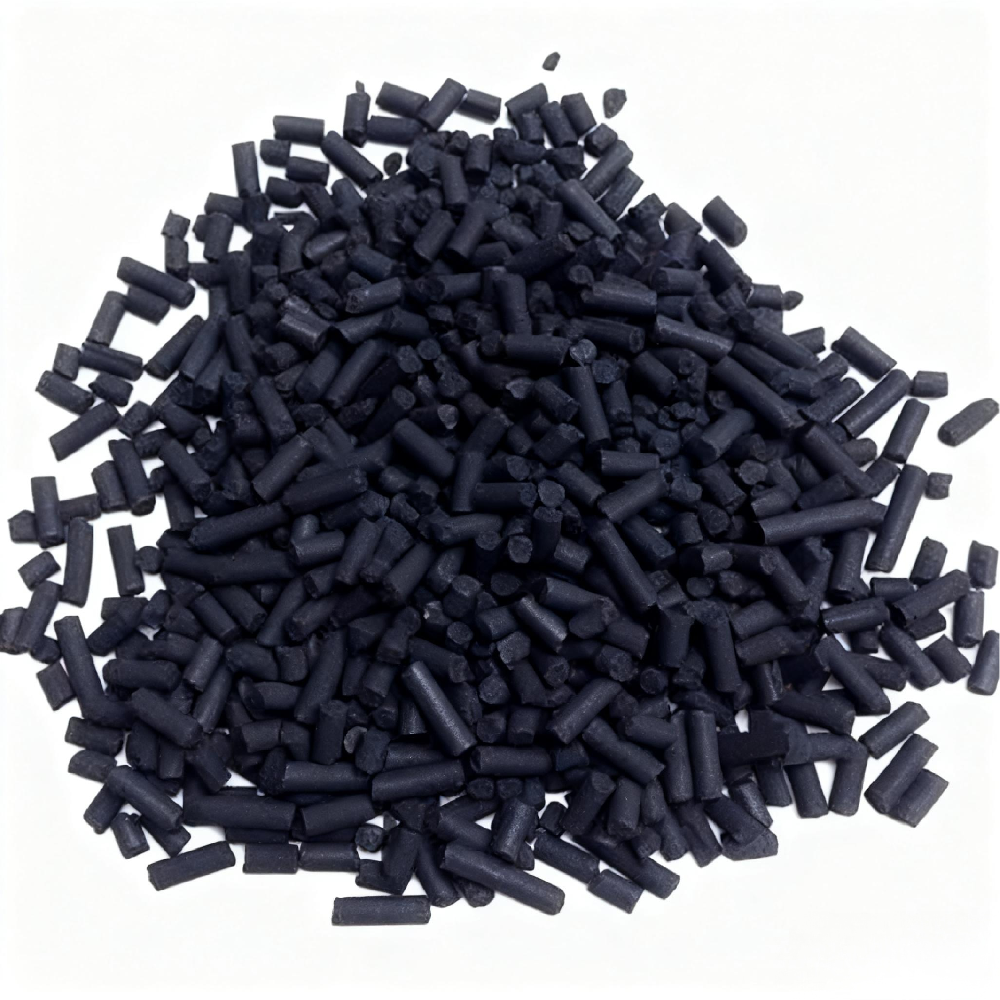
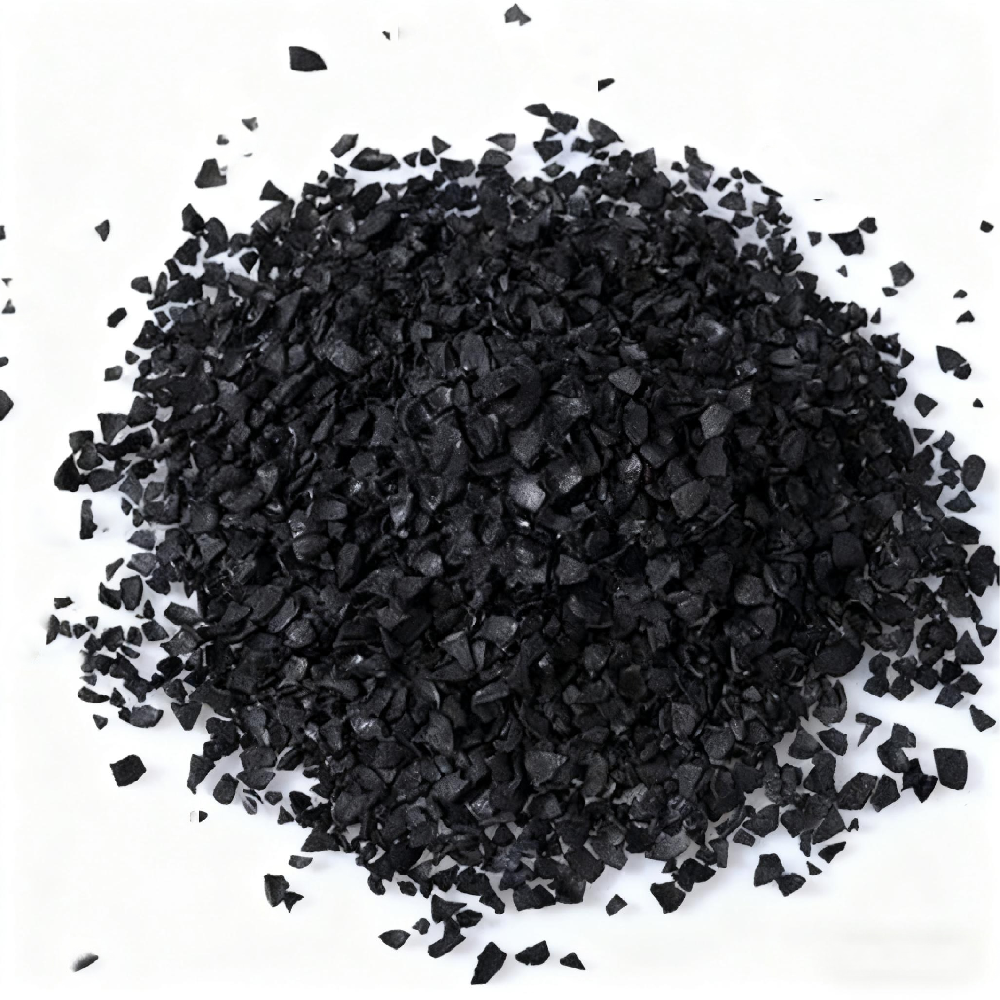
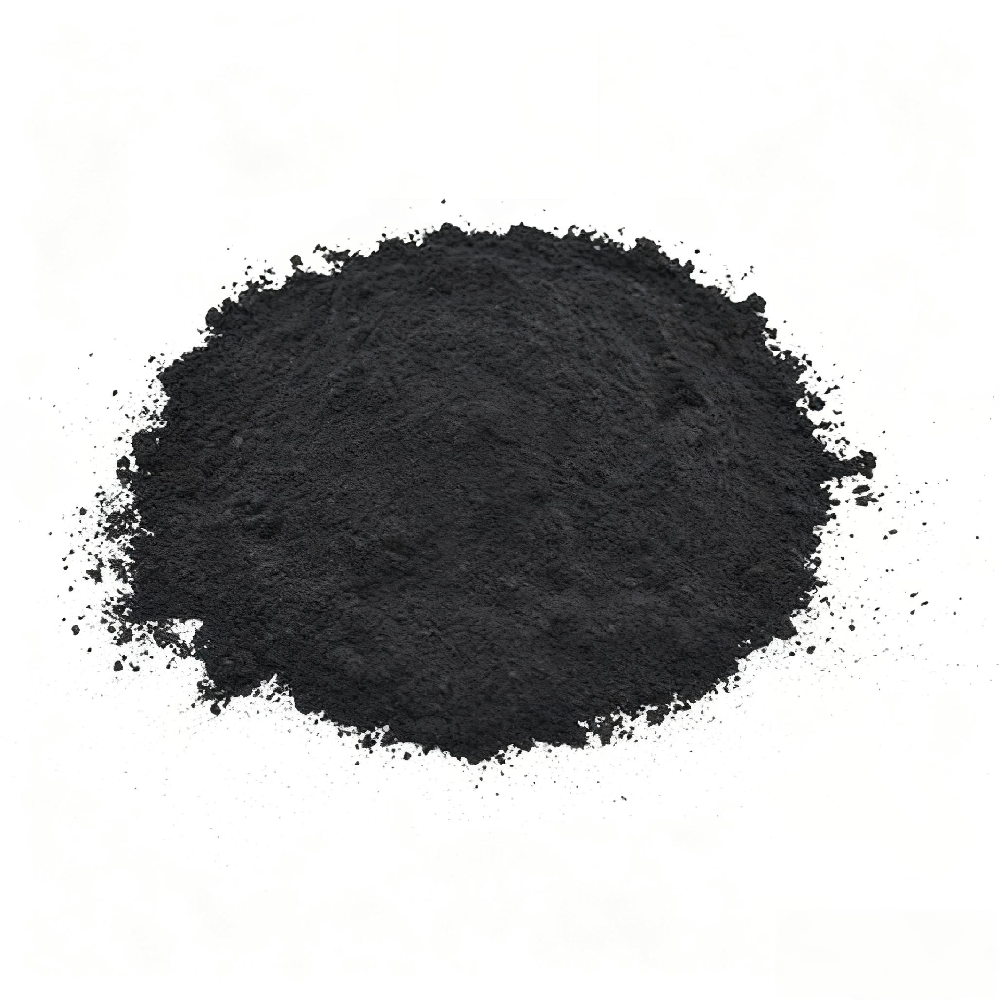
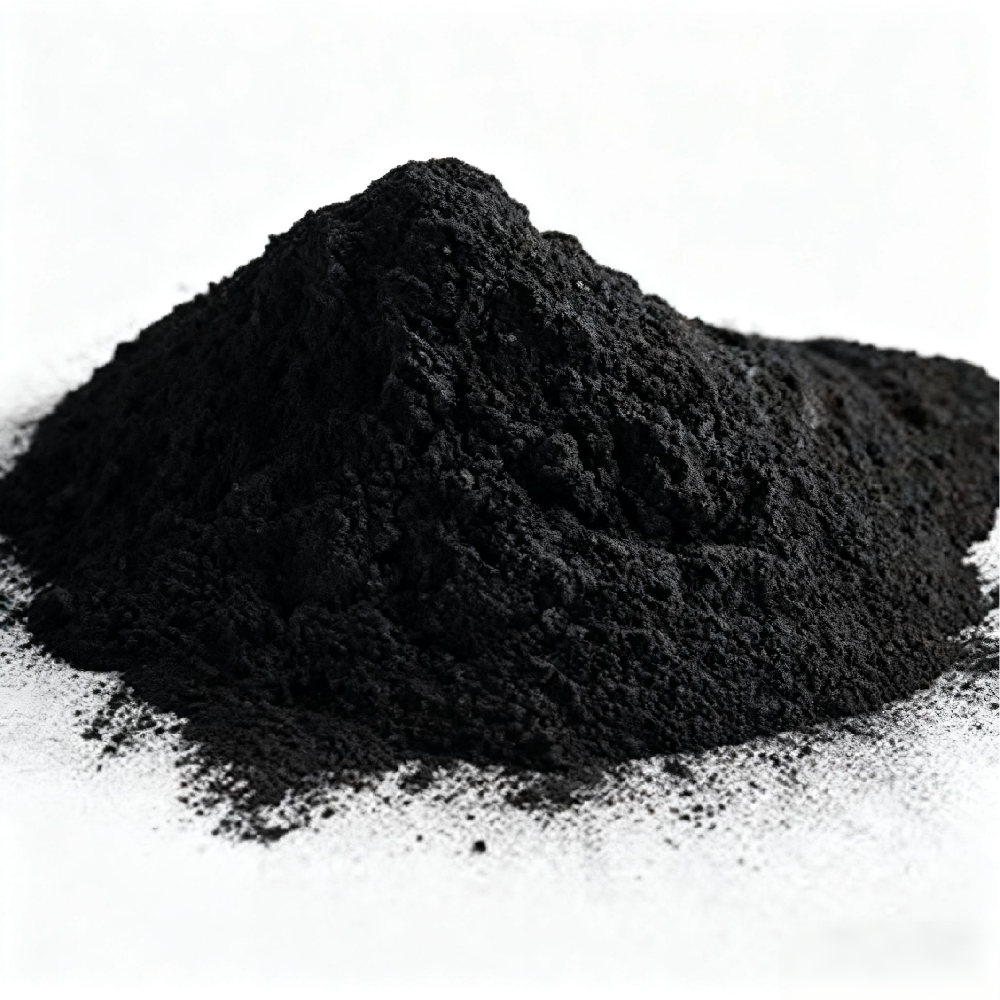
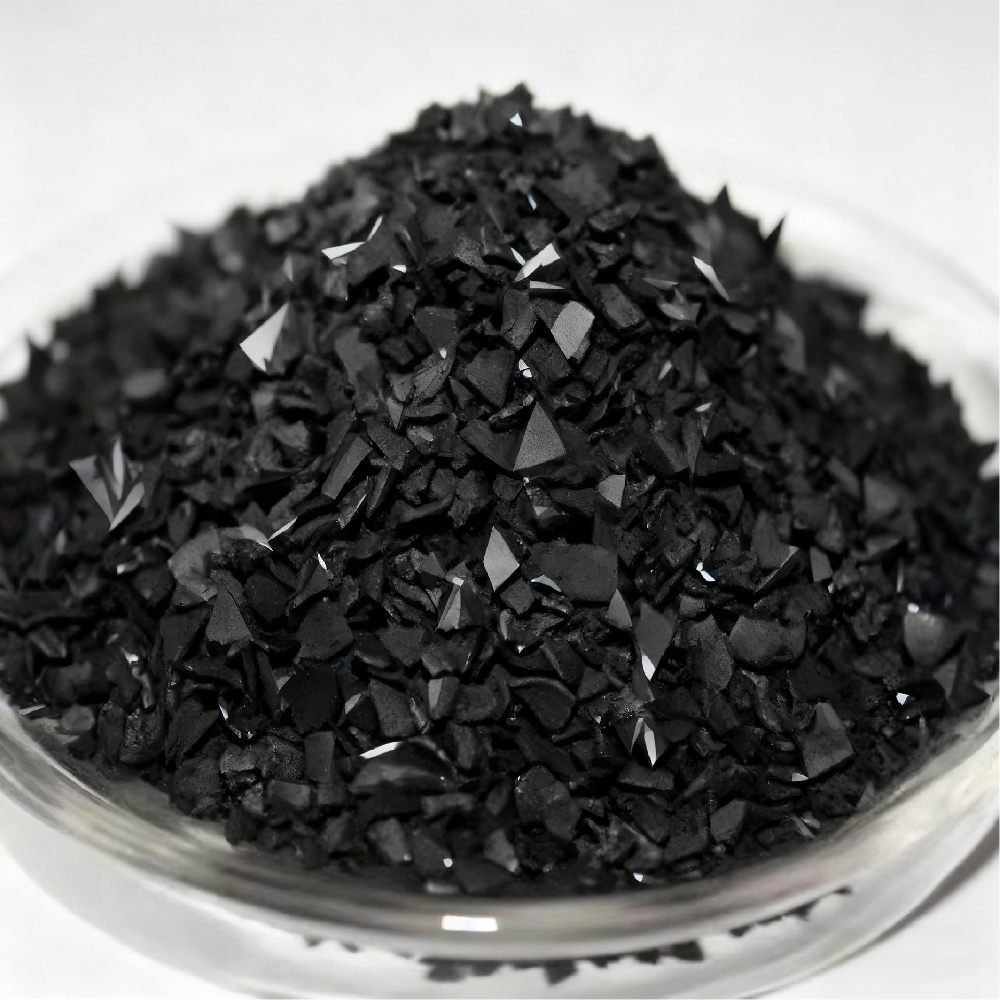
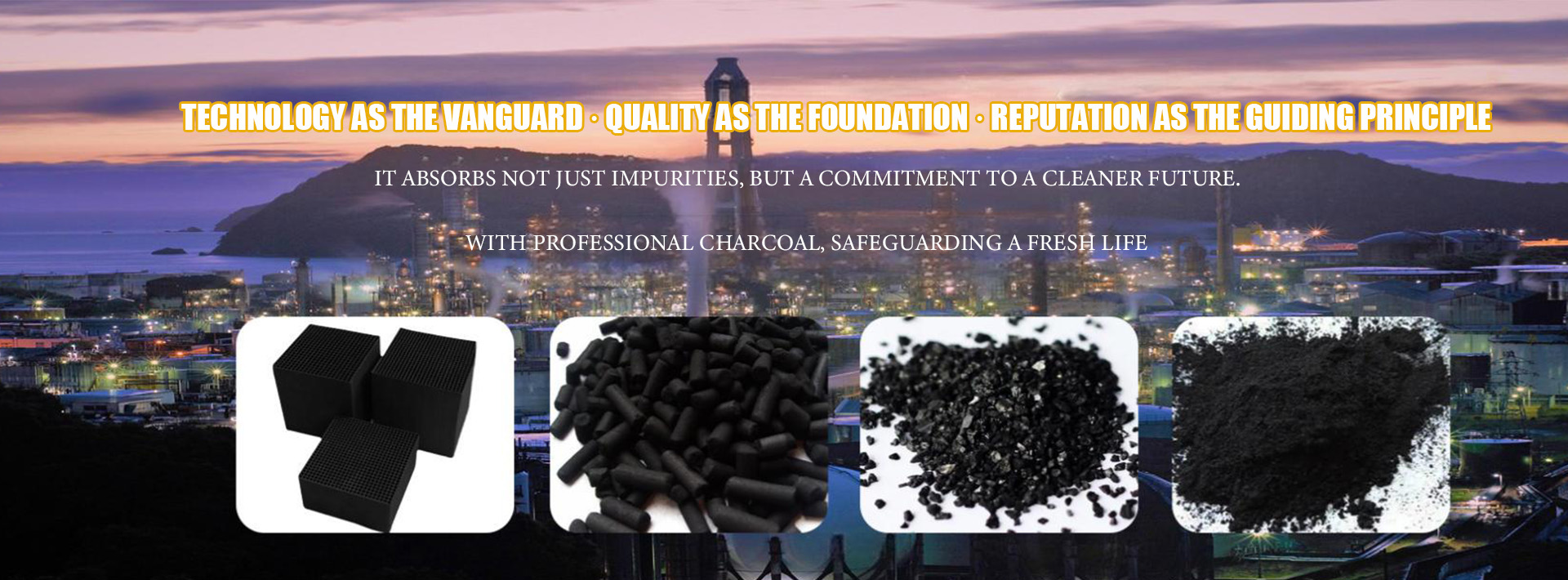
Fruit shell activated carbon is made from high-quality, environmentally friendly raw materials such as coconut shells, peach shells, walnut shells, and jujube shells. It is refined through a series of processes including carbonization, activation, and superheated steam catalysis. The product appears as irregular black granules, non-toxic and odorless, with a well-developed pore structure, large specific surface area, strong adsorption capacity, high mechanical strength, low bed resistance, good chemical stability, and easy regeneration.
Fruit shell activated carbon has abundant microporous structures, which provide a large specific surface area to physically adsorb harmful gases in the air. It can effectively adsorb formaldehyde, benzene, toluene, xylene, ammonia, and other volatile organic compounds (VOCs). In newly decorated rooms, furniture, paints, and adhesives release large amounts of harmful substances. Fruit shell activated carbon can quickly capture and absorb these harmful gases, reducing their concentration in indoor air, improving air quality, and protecting human health.
At the same time, for industrial waste gases containing pollutants such as sulfur dioxide and nitrogen oxides, fruit shell activated carbon also has certain adsorption effects and can be used for industrial exhaust purification treatment.
It has strong adsorption capacity for various odors. In kitchens, it can absorb cooking fumes and fishy smells produced during food preparation, keeping the air fresh. In bathrooms, activated carbon can absorb ammonia and hydrogen sulfide gases that cause unpleasant odors, improving the air quality.
In garbage disposal sites, livestock farms, and other places prone to odor, fruit shell activated carbon also plays an important role in reducing odor diffusion and improving the surrounding environment.
In the field of water treatment, fruit shell activated carbon performs remarkably. It can remove organic matter, heavy metal ions, residual chlorine, and other impurities from water. For organic pollutants such as pesticides, detergents, and humic substances, activated carbon separates them from water through strong adsorption, improving clarity and taste.
For heavy metal ions like lead, mercury, and cadmium, the active groups on the surface of activated carbon can chemically react with these ions and fix them onto the carbon surface, thereby reducing their content in water and ensuring water safety.
In addition, it removes residual chlorine from water to prevent harm to humans and equipment.
Fruit shell activated carbon has excellent decolorization properties. In the sugar industry, sugar solutions often contain pigment impurities that affect the quality and color of sugar. Activated carbon can absorb these pigments, making the sugar solution clear and transparent, thus improving the product’s quality.
In the textile printing, dyeing, and pharmaceutical industries, fruit shell activated carbon is also commonly used for solution decolorization to meet production process requirements.
Indoor Air Purification:
Can be placed in living rooms, bedrooms, and study rooms, especially in newly renovated spaces, to effectively remove decoration pollutants, improve indoor air quality, and create a healthy and comfortable living environment.
Common usage involves placing activated carbon bags inside furniture, corners, or windowsills to allow full adsorption.
Refrigerator Deodorization:
Placing activated carbon in refrigerators can absorb food odors, keep the air fresh, prevent odor transfer between foods, and extend freshness.
Shoe Cabinet & Wardrobe Deodorization and Moisture Absorption:
Placing activated carbon bags in shoe cabinets and wardrobes absorbs odors from shoes and clothes while also absorbing moisture from the air, preventing dampness and mold, and protecting items from damage.
Chemical Industry:
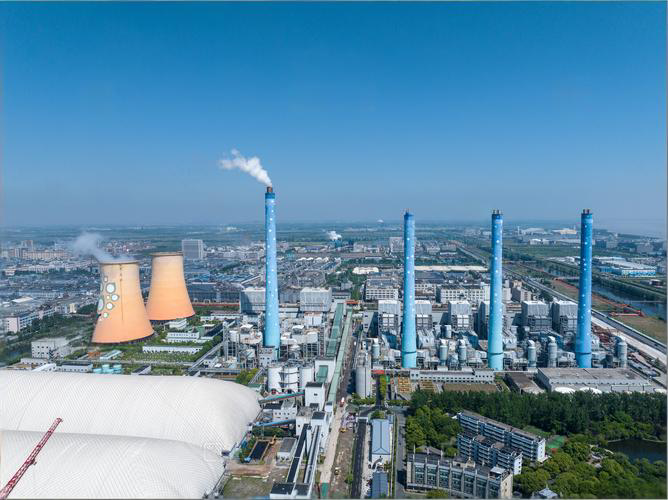
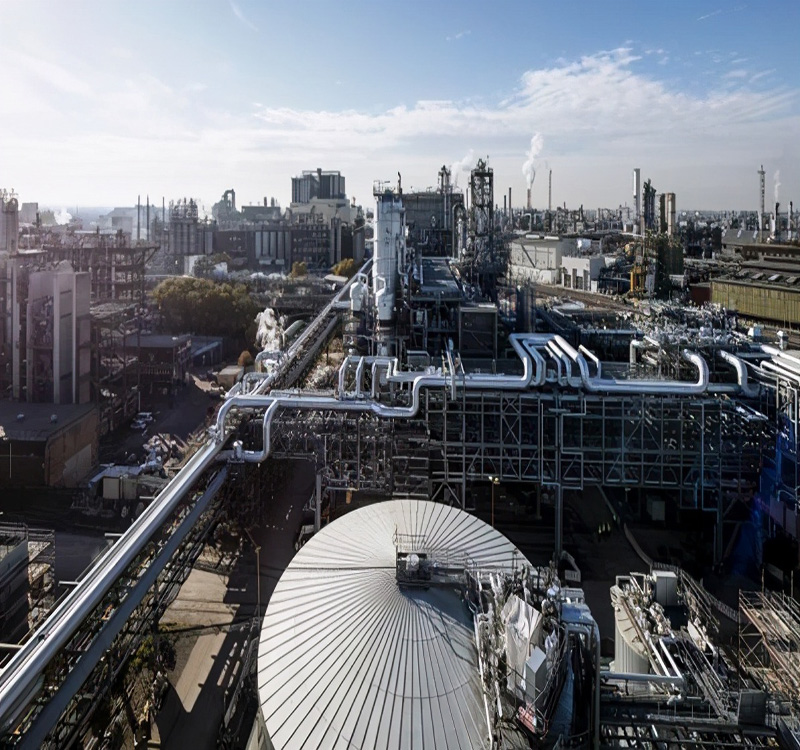
Used to separate and purify chemical substances and remove impurities and by-products generated during reactions. In petrochemical production, it refines petroleum products by removing sulfur, nitrogen, and other impurities, thereby improving product quality.
Power Industry:
Used in boiler raw water purification in power plants to remove organic matter and heavy metals, preventing scaling and corrosion, ensuring normal boiler operation, and improving power generation efficiency.
Food & Beverage Industry:
In food and beverage production, fruit shell activated carbon is used to remove pigments, odors, and impurities, enhancing product quality and taste. For example, in beverage manufacturing, it is used to decolorize and purify fruit juices and teas, making them clearer and better tasting.
Municipal Water Plants:
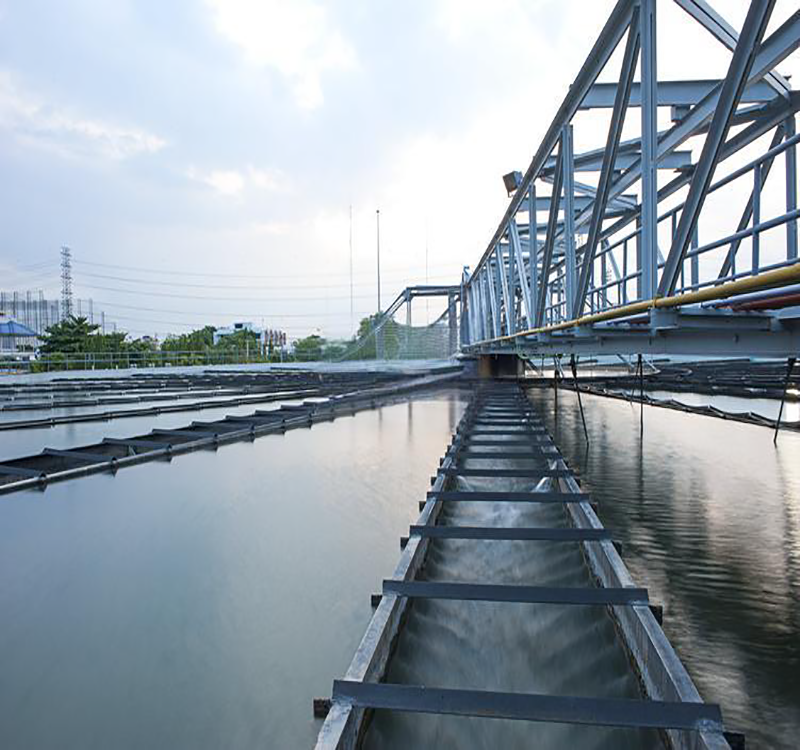
Used as part of the advanced treatment process to further remove organic matter, odors, and residual chlorine from water, improving tap water quality and ensuring safe drinking water for residents.
Wastewater Treatment Plants:
Used in the advanced treatment stage of wastewater treatment to further purify secondary-treated water by removing residual organic matter, color, and heavy metals, enabling the treated water to meet discharge standards or be reused.
Industrial Wastewater Treatment:
For wastewater from industries such as electroplating, dyeing, and pharmaceuticals, fruit shell activated carbon can selectively remove heavy metals, organic matter, and pigments, allowing wastewater to meet discharge or reuse standards and reducing environmental pollution.
Waste Gas Treatment:
In industrial exhaust treatment, fruit shell activated carbon is used to adsorb harmful gases and odorous substances such as VOCs and malodorous compounds. A common method is to pass exhaust gas through an activated carbon adsorption unit, where pollutants are captured, thus purifying the exhaust.
Soil Remediation:
When added to contaminated soil, fruit shell activated carbon can adsorb heavy metals and organic pollutants, reducing their bioavailability and minimizing ecological harm, thereby promoting soil restoration and ecological recovery.
Phone: 0086 13628245499
whatsApp: 0086 13628245499
Email: jiang@ycjinzhan.asia
Add: China. Chongqing Municipality